

Thinking About Selling Your Home? Start Preparing Earlier Than You Think

If you’re thinking about putting your home on the market in the next month, two months, or even four months, here is my very loving, slightly bossy REALTOR® advice:
Start now.
Not later.
Not “after the next busy week.”
Not when the photographer is already scheduled and everyone suddenly realizes there are mystery boxes in the garage from 2012.
Start now.
Whether you’re selling in Palm Springs, one of the Desert Cities, or honestly anywhere in the country, early preparation can make a huge difference in your stress level, your presentation, and potentially your final sales price.
And I’m not just saying this as a REALTOR® with over 27 years of experience. I’m also saying it as someone who is personally getting ready to sell and realizing, once again, that we all have more stuff than we think we do.
Some of us have boxes in the garage.
Some of us have boxes in the guest room.
Some of us have boxes that have apparently been quietly aging like a fine cabernet.
No judgment. But if a move may be coming, it’s time to deal with them.
Get My Home Prep Guide here (instant download no email required!): Instant Download Click Here
Why Early Seller Prep Matters So Much
A lot of sellers believe they are “pretty much ready” to list.
Then we walk through the home and realize there are donation piles, touch-up paint projects, light fixtures to update, landscaping to freshen, closets to simplify, and approximately 47 decisions that would have been much easier if we had started earlier.
The biggest reason to begin early is simple:
You want to reduce stress before the market adds its own stress.
Selling a home is already a big life event. You do not need to add last-minute garage cleanouts, emergency staging purchases, rushed contractor calls, and frantic packing to the process if you can avoid it.
Early preparation gives you breathing room.
It allows you to:
- Sort through belongings without panic
- Donate, recycle, or toss items over time
- Make small repairs thoughtfully
- Improve presentation before photos
- Replace or update items that affect buyer perception
- Decide what stays, what goes, and what makes the home show better
- Enjoy some of the improvements before you move
That last part matters. Sometimes you finally finish a space and think, “Why didn’t we do this six years ago?” Which is annoying, yes, but also very normal.
Step One: Start With the Stuff
Before we talk about staging, pricing, photos, or marketing, we need to talk about the stuff.
Most people underestimate how much they own.
Even if your home looks pretty organized, hidden clutter can live in:
- Garage boxes
- Guest room closets
- Linen closets
- Kitchen cabinets
- Storage cabinets
- Office drawers
- Side yards
- Built-ins
- Holiday bins
- That one cabinet everyone is scared to open
The goal is not to make your home look empty. The goal is to make it feel clean, spacious, cared for, and easy for a buyer to imagine living in.
Start by asking three questions:
1. Am I taking this with me?
If yes, great. Pack it if you don’t need it right now.
2. Would I buy this again today?
If not, it might be time to donate, sell, recycle, or toss it.
3. Does this help the home show better?
Some items add warmth and style. Others add visual noise. The key is knowing the difference.
What About the Garage?
Here’s where I may surprise some sellers:
I am usually not overly worried about the garage.
In most home sales, buyers understand the garage is where sellers are storing packed boxes, donation piles, seasonal items, and moving supplies.
That said, there are exceptions.
If your garage is a selling feature — for example:
- Epoxy floors
- Custom cabinets
- Workshop space
- Car enthusiast setup
- Extra-clean storage
- Golf cart parking
- Specialty hobby space
Then yes, we want that garage to shine.
But for most sellers, the garage is lower priority than the main living areas, outdoor spaces, kitchen, bathrooms, and overall first impression.
The inside of the home and the outdoor living areas matter much more.
Especially here in the desert, buyers are not just buying walls and a roof. They are often paying attention to how the home feels, how it lives, and whether the indoor/outdoor lifestyle makes sense.
Step Two: Pre-Pack Before You Think You Need To
Pre-packing is one of the most underrated seller strategies.
This does not mean boxing up everything and making your home feel cold. It means removing the extra layers so the home can breathe.
Pre-pack:
- Extra decor
- Off-season clothing
- Personal paperwork
- Overflow kitchen items
- Excess books
- Extra linens
- Hobby supplies
- Extra pet items
- Personal collections
- Anything you do not use weekly
This helps in two big ways.
First, your home will show better.
Second, when an offer comes in and the buyer wants a faster closing or possession timeline, you are not starting from zero.
That matters because once you are under contract, the clock starts moving quickly. Inspections, appraisal, packing, movers, repairs, documents, utilities, and logistics all start happening at once.
Your future self will be very grateful that your current self handled some of this early.
Step Three: Make the Small Improvements That Create a Big Visual Impact
You do not always need a major renovation to make a home more appealing.
Sometimes the best pre-listing improvements are simple, strategic, and visual.
Consider:
- Touch-up paint
- Fresh caulking
- Clean baseboards
- Updated cabinet hardware
- New light bulbs with consistent color temperature
- Fresh towels for photos
- Updated bedding
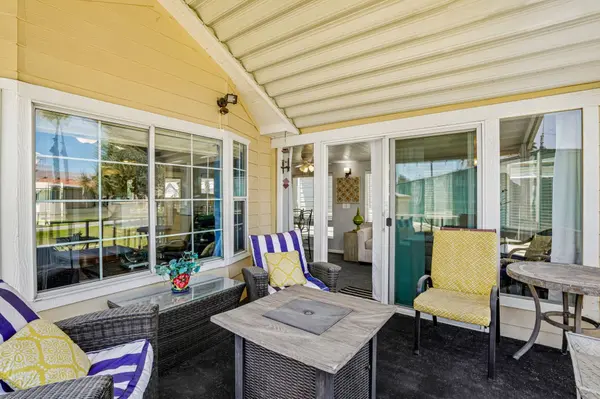
- Clean patio cushions
- Simplified countertops
- Replacing tired rugs
- Removing bulky furniture
- Adding simple staging pieces
- Refreshing front entry decor
- Cleaning windows
- Servicing landscaping
One of the best things about starting early is that you have time to make thoughtful choices instead of panic-buying whatever can arrive tomorrow.
And sometimes, those small improvements are things you actually get to enjoy before you move.
A little cabinet, a better entry setup, a replaced wine fridge, fresh patio seating, or updated decor may help the home show better — but you also get to live with the upgrade for a bit.
That is not a bad bonus.
Step Four: Think Like a Buyer Before the Buyer Arrives
When you live in a home every day, you stop seeing certain things.
Buyers do not.
Buyers notice:
- Scuffed walls
- Overstuffed closets
- Loose handles
- Dirty vents
- Tired landscaping
- Odd furniture placement
- Too much personal decor
- Dark rooms
- Pet odors
- Deferred maintenance
- Outdoor spaces that feel forgotten
This does not mean your home has to be perfect. Very few homes are.
But it does mean your home should feel cared for.
A buyer should not walk in and mentally start subtracting money before they even reach the kitchen.
That is one of the quiet dangers of poor preparation. Buyers may not say, “This home has too much visual clutter.” Instead, they just say, “I didn’t love it,” or “It felt like too much work.”
Presentation matters.
Step Five: Price Correctly From the Beginning
Preparation gets people interested.
Pricing gets them serious.
In today’s market, this is not the kind of environment where most sellers can simply put a home on the market in any condition, choose an ambitious price, and expect buyers to line up.
Buyers have more options than they did during the most frantic pandemic-era market. Many are also watching interest rates closely, comparing homes carefully, and taking their time.
That means your home needs to be competitive from day one.
The first one to two weeks on the market are incredibly important because that is when the most motivated current buyers are likely to notice your listing.
These are the buyers who have already been looking. They know the inventory. They know what has sold. They know what has been sitting. In some cases, they know their target price range almost better than anyone because they have been watching it every day.
If your home comes on the market looking great and priced well, you have a much better chance of creating strong early interest.
If it comes on overpriced, those buyers may mentally set it aside and wait.
That is not the reaction we want.
Should You Price Slightly Under Market?
This depends on the home, the neighborhood, the competition, and the seller’s goals.
But in many cases, pricing slightly more competitively can be smarter than trying to “test the market” too high.
A well-prepared, well-marketed, well-priced home can feel like a better opportunity to buyers.
An overpriced home, even a beautiful one, can accidentally help sell the competition.
That is not ideal.
The goal is not to underprice recklessly. The goal is to position the home where buyers see value and feel motivated to act.
That strategy requires:
- Reviewing current active competition
- Studying recent comparable sales
- Looking at pending properties when possible
- Understanding buyer demand
- Considering condition and upgrades
- Evaluating location, views, amenities, and lifestyle features
- Being honest about what the market is rewarding right now
This is where local strategy really matters.
Step Six: Plan for Showings Before You List
Showings can be one of the most stressful parts of selling.
Even when everything goes smoothly, it is still inconvenient to keep the house clean, leave for appointments, manage pets, and wait for feedback.
If you have pets, remote work schedules, guests, or a busy household, make a plan before the home goes live.
Consider:
- Can you be away during the first weekend?
- Do you need pet care?
- Would a short Airbnb or hotel stay reduce stress?
- Can you schedule open houses early?
- Are there times that are harder for showings?
- Can you simplify daily cleaning routines?
- Do you have a system for leaving quickly?
The first week or two matters most. If you can make showing access easier during that window, it can help maximize buyer activity.
Step Seven: Do Not Wait Until You “Feel Ready”
Most sellers never feel fully ready.
There is always one more closet, one more drawer, one more project, one more thing you meant to handle.
That is why starting early is so helpful. It lets you make steady progress instead of trying to become a professional organizer overnight.
A simple timeline might look like this:
8–12 Weeks Before Listing
- Start decluttering
- Begin donations and recycling
- Walk through the home with your REALTOR®
- Identify repairs and updates
- Start pre-packing
4–8 Weeks Before Listing
- Complete small repairs
- Freshen landscaping
- Order staging items if needed
- Paint or touch up
- Deep clean less-used areas
- Review pricing strategy
2–4 Weeks Before Listing
- Finalize prep list
- Schedule photography and video
- Confirm marketing plan
- Simplify surfaces and closets
- Plan showing logistics
1 Week Before Listing
- Deep clean
- Final staging
- Window cleaning
- Yard refresh
- Pet plan
- Final walkthrough before photos
You do not have to do everything at once. You just need to start.
The Big Takeaway
If selling your home is even a possibility in the next few months, early preparation is one of the best gifts you can give yourself.
It can help you:
- Reduce stress
- Improve presentation
- Avoid rushed decisions
- Make better repair choices
- Create stronger first impressions
- Prepare for showings
- Price with more confidence
- Compete more effectively
And possibly most important, it helps you feel more in control of the process.
Selling a home is a big deal. It is also very manageable with the right plan, the right timing, and the right guidance.
So open the first box. Fill the first donation bag. Toss the mystery cords. Recycle the paperwork. Touch up the paint.
Your future self is already sending you a thank-you note.
Thinking about selling in Palm Springs, the Desert Cities, or anywhere else and wondering what to do first?
I put together a helpful home prep guide you can use before you list. It walks through the practical things that can make your home show better, photograph better, and feel more prepared when it hits the market.
Click here for your instand downloadable guide
Want the guide or want to talk through your timing?
Reach out anytime — I’m always happy to help you think through your options without pressure: Book Your No Obligation Zoom Call Here
Lisa Angell, REALTOR®
LPT Realty
CA DRE#02122706
Serving Palm Springs and the Desert Cities
This information is provided for general educational purposes and is not a guarantee of pricing, timing, buyer activity, or sale results. Real estate market conditions vary by property, location, condition, pricing, and buyer demand. All marketing and real estate guidance is intended to comply with Fair Housing laws and provide equal professional service to all clients and customers.
Categories
Recent Posts







"My goal is simple: to help you feel confident, informed, and taken care of every step of the way.”
GET MORE INFORMATION