

Will Palm Springs Home Prices Drop in 2026? What the Desert Cities Market Is Really Doing
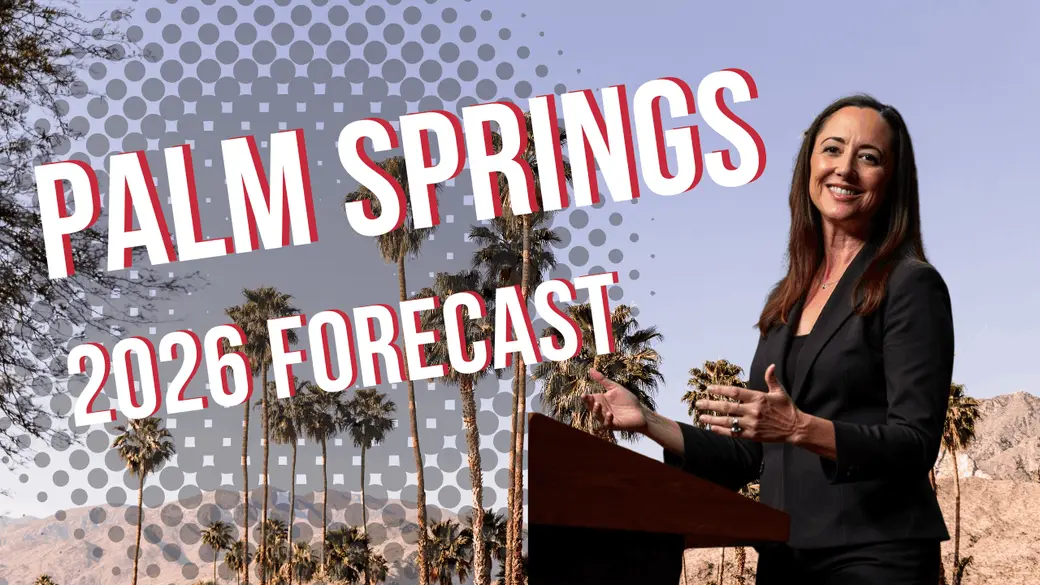
Will Palm Springs Home Prices Drop in 2026?
If you’ve been wondering “Are prices about to fall in Palm Springs?”, you are not alone. I hear this constantly, especially from remote buyers who are watching national headlines and thinking, “Is the desert next?”
Let’s talk about what’s actually happening, and what “drop” even means, because that one word is where a lot of confusion starts.
First, what do we mean by “drop”?
There are two very different questions hiding inside one:
1) Drop compared to the peak frenzy a few years ago?
In some neighborhoods, yes, values cooled from those highs. In others, they really haven’t.
2) Drop from today moving forward, steady year-over-year declines across the board?
Based on what I’m seeing and the numbers we’re tracking right now, I don’t see strong evidence of that.
And here’s why.
Why Palm Springs behaves differently than many markets
1) This is not a typical primary-home suburb market
Palm Springs and the Desert Cities are a global lifestyle destination, sunshine, golf, tennis, hiking, festivals, pool time, winter escapes. That demand pool is very different from a commuter suburb.
Also, tourism is a major part of the regional engine. Greater Palm Springs has welcomed tens of millions of visitors and generates billions in tourism economic impact, including lodging that counts short-term rentals and second homes.
Translation, we have a steady stream of people who already love being here.
2) We have a heavy cash presence
Cash buyers don’t eliminate the impact of mortgage rates, but they can soften it, especially on the buying side. Nationally, cash remains a meaningful share of transactions, and in vacation and second-home destinations that influence can be even more pronounced.
Where rates can still matter in the desert is this:
-
Many buyers want to buy here with cash, but first they need to sell their primary home elsewhere, where the buyer pool may be more rate-sensitive.
-
So rates can affect our market indirectly through the “sell first, then buy here” pipeline.
3) Inventory is moving again in places people thought were stuck
This is the part a lot of people miss. When listings start going under contract at a healthier clip, you are not usually staring at a market that is about to fall apart.
Even in communities where inventory felt like it was building, I’ve seen things get noticeably busier in the last few months.
Watch my YouTube Video on this exact topic here: Palm Springs Market Forecast 2026, Prices, Inventory, and the Real Story
The stats I’m watching right now (simple and meaningful)
Here are a few highlights from recent Desert Cities stats you can use as a real-world gut check:
A) More homes are going under contract
-
Listings under contract (January 2026): 824
-
Up 33% from January 2025 (618)
That is a real sign of demand.
B) Price headlines can be misleading, price per square foot matters
-
Median price may show a small dip (example: down 1.7% year over year in the stats I show in my video which is linked above)
-
But price per square foot was up 6% year over year
That often means the mix shifted, more smaller homes sold, not that the market “collapsed.”
C) Months of inventory gives the clearest “market direction” signal
Here's a snapshot:
-
Active (including coming soon): 3,469
-
Under contract + pending: 976
-
Months of inventory: ~3.55
Generally speaking:
-
0–3 months leans seller
-
3–6 months is balanced
-
6+ months leans buyer
So at roughly 3.5 months, we are not in “falling knife” territory. We’re closer to balanced, with some seller-leaning characteristics depending on the pocket.
Where prices could soften: the “pockets” that actually matter
This is the nuance that headlines miss.
Short-term-rental heavy neighborhoods are the most likely soft spots
In areas where short-term rentals were a big driver of demand, prices got pushed up fast because buyers were banking on rental income.
When the rental math gets squeezed, more owners list, and that can create:
-
higher inventory
-
more competition
-
more price reductions
-
more “deal opportunities” for buyers
So yes, if you are looking for the most negotiable segment, STR-heavy areas can be where you find it.
Also, ironically, once some of that inventory clears out, the remaining STR properties may perform better because supply shrinks and nightly rates can stabilize.
Seller reality check: your outcome depends heavily on when you bought
Two very common scenarios I’m seeing right now from people who have bought less than 10 years (the current average time that people are in their homes):
-
Bought 2017–2021: Many owners still have meaningful equity, even if the home isn’t at the peak-frenzy number.
-
Bought 2023–2025: This is where pricing strategy matters most. Some of these sellers may need to be more realistic, especially if their plan was “try high and see what happens.”
Buyer reality check: waiting for a big drop can backfire
If your fear is “I’ll buy and then the bottom falls out,” I get it. Many of us lived through 2008, and it was scarring.
But most buyers don’t regret buying because the market moved 2–4% in either direction. They regret buying the wrong house, in the wrong pocket, with the wrong plan.
If anything, when rates dip even a little, we often see buyer activity pick up. It happened last fall and it can happen again.
So the smarter play tends to be:
-
buy when you are personally ready
-
target the best pockets for your lifestyle and long-term plan
-
negotiate hard where the data says you can
Takeaways
-
“Prices dropping” depends on what you’re comparing to, peak frenzy vs right now.
-
Broad year-over-year declines across the entire Desert Cities market do not have strong support in the stats we're tracking today.
-
The most likely soft pockets are STR-heavy neighborhoods where rental profitability is pressuring owners to sell.
-
Months of inventory around 3.5 points to a healthier, more balanced market, not a market unraveling.
What should you do next?
If you want, I’ll tell you exactly what’s happening in the neighborhood you care about, and whether it looks like a buyer-opportunity pocket or a “you need to move fast” pocket.
Schedule a Zoom, or if you’re in town, let’s grab coffee and talk strategy.
Lisa Angell, REALTOR® | LPT Realty | CA DRE#02122706 | Equal Housing Opportunity
You can watch the video I did on this exact topic here: Palm Springs Market Forecast 2026, Prices, Inventory, and the Real Story
Categories
Recent Posts






"My goal is simple: to help you feel confident, informed, and taken care of every step of the way.”
GET MORE INFORMATION