

Is a Fixer-Upper Worth It? The Real Risks and Rewards for Buyers in the Coachella Valley
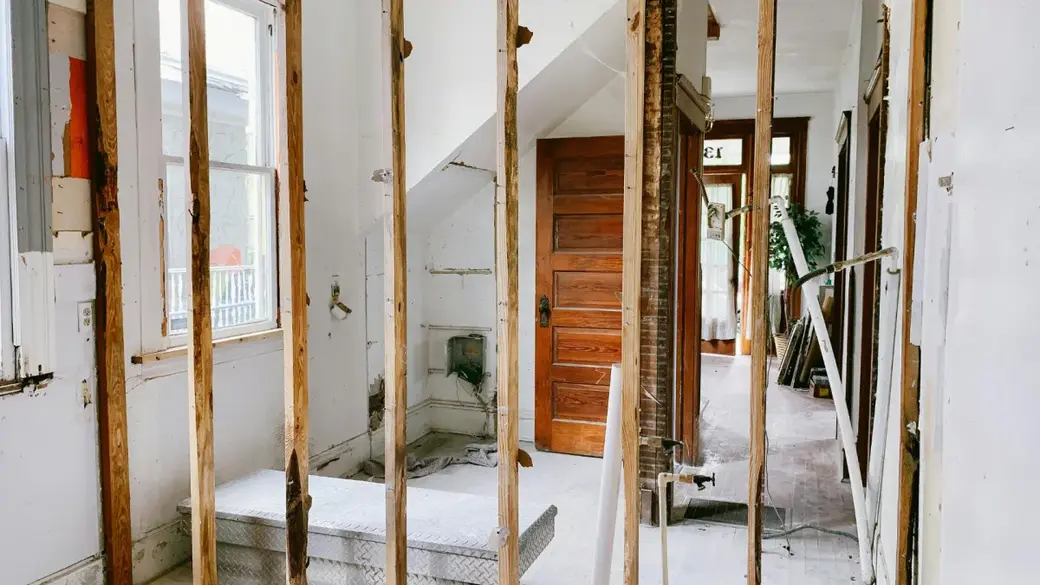
Fixer-uppers are getting more attention than ever.
Searches for homes in need of a little TLC have tripled since 2021, and fixer-upper listings now receive over 50% more online views than comparable move-in-ready homes. Lower price points and the promise of customization are big draws — especially in lifestyle markets like the Coachella Valley.
But fixer-uppers also come with real risks. And without proper planning, what starts as a dream project can quickly turn into a very expensive lesson.
If you’re considering buying a fixer-upper in the Desert Cities, here’s what the data shows — plus the pros, cons, and key factors to weigh before you commit.
The State of Fixer-Uppers in Today’s Market
Nationally, fixer-uppers carry a median price of around $200,000, compared to approximately $436,250 for the typical single-family home — a discount of more than 50%.
As of mid-2025:
- About 79,000 fixer-uppers were listed nationwide
- That’s nearly 19% more listings than in 2021
- Yet fixer-uppers still make up a smaller share of total inventory (about 5.2%, down from 6.1%)
The typical fixer-upper:
- Built around 1958
- Roughly 1,600 square feet
- 3 bedrooms / 2 bathrooms
- Takes slightly longer to sell (53 days vs. 50.5 days for other homes)
In the Coachella Valley, fixer-uppers often show up in older neighborhoods, original-condition homes, and certain golf or HOA communities where updates haven’t kept pace with buyer expectations.
The Pros of Buying a Fixer-Upper
Lower Purchase Price
The biggest advantage is cost. Because fixer-uppers are priced below move-in-ready homes, buyers may benefit from:
- A lower purchase price
- A smaller down payment
- More manageable monthly payments
This can be an appealing entry point for buyers priced out of turnkey homes in popular Desert Cities neighborhoods.
Customization & Control
A fixer-upper allows you to design the home your way — from kitchens and bathrooms to flooring, lighting, and outdoor spaces.
You also gain creative control over:
- Materials
- Contractors
- Design choices
- Quality of finishes
For buyers who care about how a home looks and functions long-term, this flexibility can be a huge win.
Less Buyer Competition
Even with increased interest, most buyers still prefer move-in-ready homes. That means fixer-uppers often come with:
- Fewer competing offers
- More room to negotiate price or terms
- Greater leverage during inspections
In competitive Desert Cities sub-markets, this alone can be a strategic advantage.
Equity Potential
Smart renovations can significantly boost a home’s value. Even modest improvements — like updated flooring, refreshed bathrooms, or improved curb appeal — can deliver strong long-term returns.
For buyers willing to invest time and effort, fixer-uppers can accelerate equity growth faster than buying turnkey.
The Cons of Buying a Fixer-Upper
Hidden Costs
Renovation budgets almost always grow.
From outdated wiring to plumbing issues or water damage behind walls, surprises are common. Experts recommend reserving 10–20% of your renovation budget for unexpected costs.
Cosmetic fixes are one thing. Structural issues are another — and those can derail even well-planned budgets.
Time, Stress & Disruption
Renovations take time, especially in California, where:
- Permits can slow projects
- HOA approvals may be required
- Skilled labor availability can fluctuate
Unless you plan to live elsewhere, buyers often find themselves living in a construction zone longer than expected.
Resale Risk
Not every renovation adds value.
Over-improving a home beyond what the neighborhood supports can make resale harder. A high-end kitchen in a modest community, for example, may not yield the return buyers expect.
Renovations should generally stay within 10–15% above the neighborhood median price to protect resale potential.
Key Factors to Evaluate Before Buying a Fixer-Upper
Not all fixer-uppers are created equal. Before moving forward, buyers should carefully evaluate:
Location & Neighborhood
Look beyond the house itself. Consider:
- Long-term desirability
- Nearby amenities
- Future development
- Overall market stability
A great house in the wrong location can still be a poor investment.
Structural vs. Cosmetic Issues
- Cosmetic: Paint, flooring, fixtures — usually manageable
- Structural: Foundation, roof, plumbing, electrical — potentially costly
Understanding the difference is critical before making an offer.
Resale Potential
Ask: Will my upgrades align with buyer expectations in this area?
The goal is to improve livability without pricing the home out of its market.
Timeline Reality
- Small projects: Weeks
- Major remodels: Months (or longer)
Be honest about how much disruption you can handle.
Common Fixer-Upper Pitfalls to Avoid
Even experienced buyers make mistakes. The most common include:
- Overestimating DIY abilities
- Underestimating time and cost
- Skipping permits
- Ignoring zoning or HOA restrictions
- Overpaying upfront
These pitfalls are far easier to avoid when you work with someone who understands fixer-upper dynamics in your specific market.
Key Takeaways for the Coachella Valley
Fixer-uppers can be a smart path into homeownership — or a costly misstep. Success depends on preparation and realistic expectations.
Buyers considering fixer-uppers in the Desert Cities should:
- Understand local fixer-upper pricing and inventory
- Explore renovation-friendly financing early
- Set conservative budgets and timelines
- Balance DIY work with professional help
- Never skip inspections
With the right strategy, a fixer-upper can become a personalized home and a strong investment. Without one, it can quickly turn into an expensive headache.
If you’re thinking about buying a fixer-upper in the Coachella Valley and want help evaluating whether a specific property is worth the risk, I’m always happy to walk through the numbers and options with you.
Lisa Angell, REALTOR® | LPT Realty | CA DRE#02122706 | Equal Housing Opportunity
Categories
Recent Posts









"My goal is simple: to help you feel confident, informed, and taken care of every step of the way.”
GET MORE INFORMATION